
How to spot them early, what to avoid, and how to get your home back to normal in Surrey and West Sussex
Bed bugs are not a sign of a dirty home. They are hitchhikers. They can arrive in luggage, on clothing, in second-hand furniture, or after overnight guests. Once they are in, they can be hard to shift without a proper plan.
If you’re in Surrey or West Sussex and you’re waking up with unexplained bites or noticing marks on bedding, here’s what to look for and what to do next.
What bed bugs are and where they hide
Bed bugs are small, flat insects that feed on blood, usually at night. They hide in tight gaps close to where people sleep, including:
-
Mattress seams and labels
-
Bed frames and headboards
-
Behind skirting boards near the bed
-
Bedside furniture and drawer joints
-
Sofa seams and soft furnishings (especially in lounges)
-
Cracks in walls or around picture frames
They are excellent at staying hidden, which is why the first signs are often bites rather than seeing the insects.
Common signs of bed bugs
Bed bug bites vary from person to person. Some people react strongly, others barely at all. Look for a combination of signs:
-
Bites in lines or clusters, often on arms, shoulders, neck, or legs
-
Small blood spots on sheets or pillowcases
-
Dark specks (droppings) on mattress seams or near the bed
-
Shed skins as they grow
-
A musty, sweet smell in heavier infestations
-
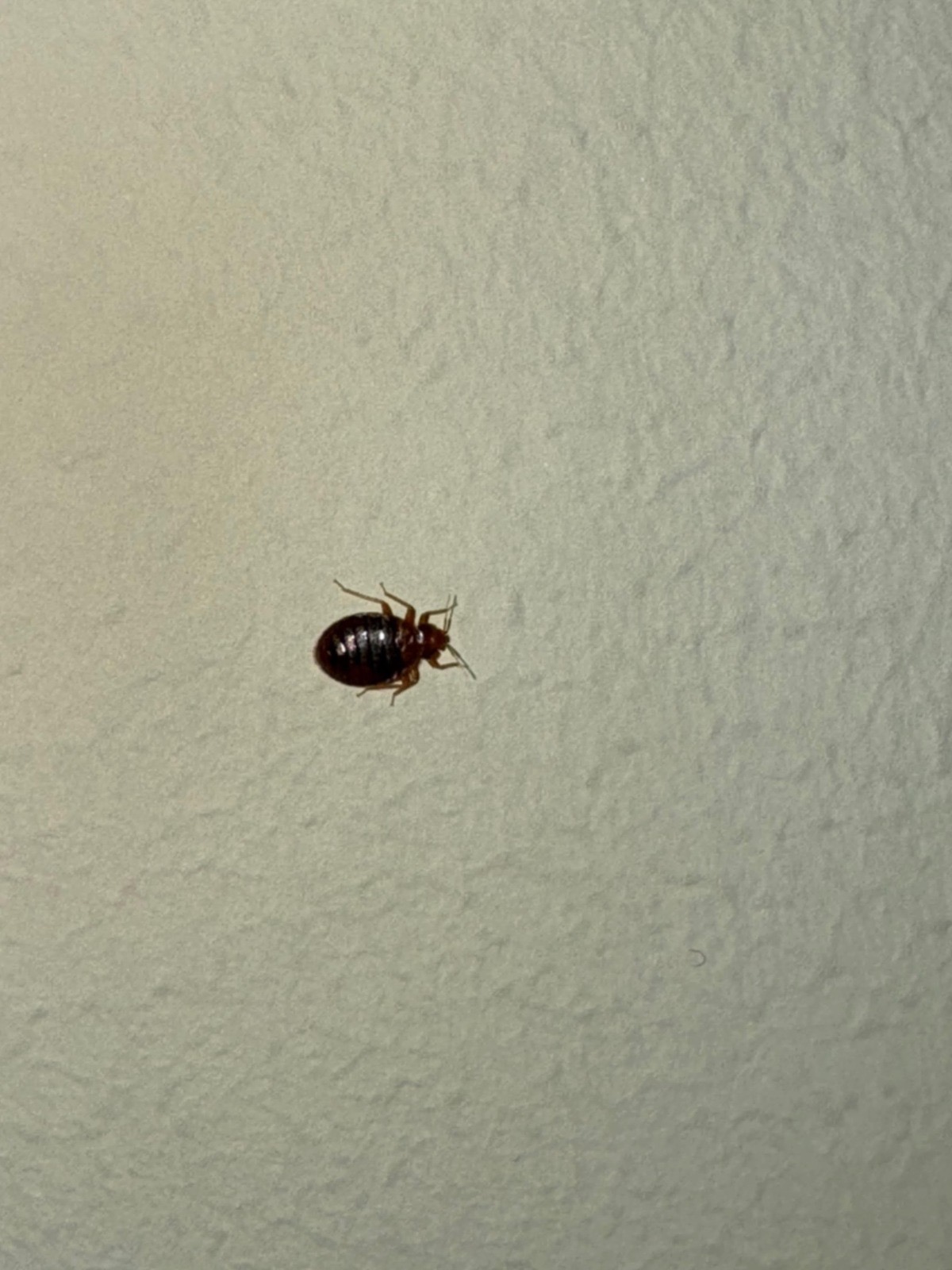
Seeing live insects, usually small, brown, and about the size of an apple seed when mature
If you can, take a quick photo of any marks or insects. It can help with identification.
What not to do
A few common mistakes can make the situation worse:
-
Do not move bedding and clothes around the house uncovered
This can spread bed bugs into other rooms. -
Do not throw your mattress out immediately
If the infestation is elsewhere, you may spend money and still have the problem. -
Do not rely on supermarket sprays alone
They rarely reach the hiding spots and can push bed bugs deeper into cracks. -
Do not bring in second-hand furniture until it’s checked
Sofas, bed frames and bedside cabinets are common sources.
How bed bugs usually get into a home
We often see bed bugs introduced after:
-
Travel and hotel stays
-
Used furniture purchases
-
Visitors staying overnight
-
Shared laundry facilities
-
Multi-occupancy buildings, where pests can move between units
That’s why even the most careful households can be affected.
What you can do right now
If you suspect bed bugs, these steps help reduce spread:
-
Keep the affected room contained
Avoid moving bedding, pillows, and clothing to other rooms. -
Wash and dry on high heat
Heat is key. Wash at 60°C where fabric allows, and tumble dry on a hot setting. -
Bag items before moving them
Use sealed bags to move laundry to the machine and back. -
Vacuum carefully
Focus on mattress seams, bed frames, skirting boards and carpet edges. Empty the vacuum outside immediately. -
Reduce clutter near the bed
This limits hiding places and makes treatment more effective.
These steps will not solve the problem alone, but they can help contain it while you arrange professional treatment.
How Ranger Pest Control approaches bed bug treatment
Bed bugs require a structured approach. The goal is to treat the insects you can see, and the ones you can’t.
A typical service includes:
-
Inspection and confirmation of activity and likely hiding areas
-
Targeted treatment using professional-grade methods
-
Practical preparation advice so treatment is effective first time
-
Follow-up support where needed, because bed bugs can be persistent
We’ll explain what’s involved, what you need to do before and after, and how long it should take to see improvement.
How long does it take to resolve?
That depends on how established the infestation is and how many rooms are affected. Early action makes a big difference. In many cases, treatment requires more than one visit, because eggs can hatch after the first treatment.
The most important thing is having a clear plan and sticking to it.
Prevention tips for the future
You can reduce the risk of bed bugs with a few habits:
-
When returning from travel, unpack away from bedrooms and wash clothes on high heat
-
Inspect hotel beds briefly (mattress seams and headboard areas)
-
Be cautious with second-hand furniture, especially beds and sofas
-
If you live in a block, report early signs quickly to avoid spread
Need help with bed bugs in Surrey or West Sussex?
If you think you have bed bugs, Ranger Pest Control can help you get things under control quickly and discreetly. Tell us what you’ve noticed and which rooms are affected, and we’ll recommend the best next step.