What to look for, what not to do, and when to call a professional in Surrey and West Sussex
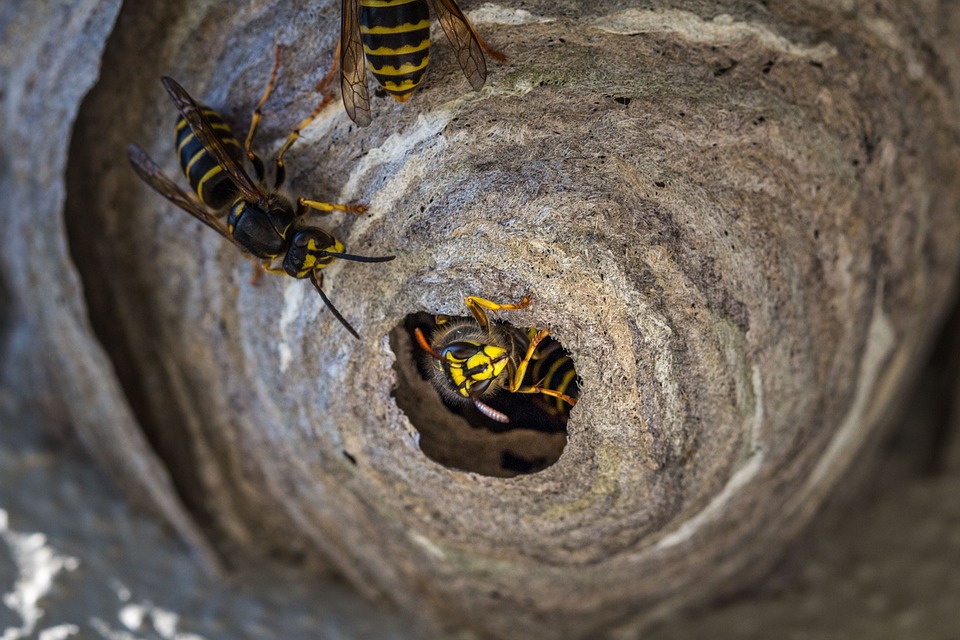
Wasps are part of life in the UK, but when they build a nest on or near your property it can quickly become stressful. One minute you’re enjoying the garden, the next you’re seeing wasps coming and going under a roof tile, through an air brick, or into a shed roof.
If you’re in Surrey or West Sussex and you suspect a wasp nest, here’s what you need to know.
Why wasp nests appear each year
Most wasp nests start in spring, when a queen finds a sheltered spot and begins building. As summer progresses, the nest grows fast and can contain thousands of wasps.
Common places we see nests include:
-
Lofts and eaves
-
Fascia and soffit gaps
-
Air bricks and vents
-
Sheds, garages and outbuildings
-
Hedge lines and garden structures
-
Wall cavities and chimney stacks
A nest can be well hidden. Often the first clue is a steady stream of wasps using the same entry point.
Signs you may have a wasp nest
You do not always see the nest itself. Look for:
-
Regular wasp traffic to and from one spot
-
Buzzing or tapping sounds in lofts or wall voids
-
Wasps appearing indoors, especially upstairs
-
Increased activity in warm weather, particularly afternoons
-
Aggressive behaviour near doors, patios or play areas
If the nest is in a wall cavity or loft, the activity can seem to come out of nowhere.
What not to do
This is where problems often escalate. A few things to avoid:
-
Do not block the entry hole
This can force wasps to find another way out, sometimes into the property. -
Do not spray random foam or DIY treatments into the gap
If the nest is active and not fully treated, you can trigger aggressive behaviour. -
Do not disturb the area with vibration
Drilling, banging, or ladder work near a nest can provoke stings. -
Do not attempt removal without the right PPE
Even a small nest can result in multiple stings very quickly.
If anyone in the household has a known allergy to stings, it’s especially important to keep distance and get professional help.
Are wasps dangerous?
For most people, a sting is painful but manageable. The risk increases when:
-
The nest is near an entrance, patio, or children’s play area
-
You have pets that may investigate
-
The nest is in a loft or wall where wasps can enter living spaces
-
Someone in the household is allergic
Multiple stings can also be serious, even without an allergy, particularly for children.
Why nests can feel worse later in summer
As the season peaks, colonies are larger and wasps are more active. Later in summer, they can also become more persistent around food and drink.
That’s why it’s usually easier to deal with a nest earlier rather than waiting.
How Ranger Pest Control handles wasp nests
Our aim is to deal with the issue safely and with minimal disruption.
A typical visit includes:
-
Locating the nest or confirming activity routes
-
Applying a targeted treatment at the correct point of entry
-
Advising how long the activity should take to reduce
-
Guidance on what to do if you still see movement after treatment
-
Safe next steps for removal, if needed, once the nest is inactive
In most cases, nests die off naturally later in the year, but treatment stops the problem now and reduces the risk of stings.
How quickly can it be resolved?
You will often see activity reduce significantly within 24 to 48 hours, depending on nest size and location. If a nest is large or in a complex void, a follow-up may be needed.
A quick prevention checklist
You cannot stop every wasp, but you can reduce the chances of nesting:
-
Check and maintain soffits, fascia and roofline gaps
-
Fit suitable mesh to vents where appropriate
-
Keep sheds and outbuildings in good repair
-
Inspect lofts and eaves in spring if you have had nests before
If you have repeated issues in the same spot, it’s usually a sign of a small access gap that can be improved.
Need help with a wasp nest in Surrey or West Sussex?
If you suspect a nest at your home, workplace, or outbuilding, Ranger Pest Control can help. Tell us what you’ve seen and where the activity is, and we’ll recommend the safest next step.