Why you see more rodent activity and what to do next in Surrey and West Sussex
When the weather turns cold, rats and mice look for warmth, food, and shelter. That often means lofts, wall cavities, garages, sheds, kitchens, and commercial storerooms.
If you’ve noticed scratching noises at night, droppings, or chewed packaging, you are not alone. Winter is one of the busiest times of year for rodent call-outs across Surrey and West Sussex.
Why rodents move indoors when it’s cold
Rodents are opportunists. In colder months, outdoor food sources reduce, water can freeze, and natural shelter becomes less reliable. Buildings offer:
-
Consistent warmth
-
Easy access to food waste or stored goods
-
Hidden nesting areas (lofts, insulation, voids, behind appliances)
A small gap is all they need. A mouse can squeeze through openings roughly the width of a pencil. Rats can get through surprisingly tight spaces too, especially around pipework.
Common signs of rats or mice
You do not always see the animal itself. Look for these early warning signs:
-
Scratching or movement noises in lofts, walls, or under floors
-
Droppings (often near skirting boards, cupboards, or food areas)
-
Gnaw marks on wood, plastic, wiring, or food packaging
-
Smears or rub marks along walls where they travel
-
Nesting material, shredded paper, insulation, or fabric
-
Unusual pet behaviour, especially at night
If you’re not sure what you’re dealing with, the pattern and location of activity usually tells us a lot during an inspection.
Why you should act quickly
Rodents are not just a nuisance. They can cause real damage and hygiene risks:
-
Contamination of food preparation areas and stored goods
-
Chewed cables, which can increase fire risk
-
Damage to insulation, timber and pipework
-
Fast breeding, meaning a small issue can become a bigger one quickly
In commercial settings, rodents can also lead to failed inspections, disrupted operations, and reputational harm.
Where rodents usually get in
Entry points are often small and easy to miss. Common problem areas include:
-
Gaps around pipes and cables
-
Air bricks and vents without proper mesh
-
Poorly fitted doors, garage doors, and roller shutters
-
Damaged soffits, fascia, or roofline
-
Openings behind kitchen units, bath panels, or utility rooms
-
Cracks in brickwork, especially around extensions
In rural properties and farm buildings, feed stores, tack rooms, and machinery sheds are frequent hotspots.
What you can do right now
If you suspect rats or mice, these quick steps can help while you arrange an inspection:
-
Store food properly
Use sealed containers for pet food, bird seed, and pantry goods. -
Reduce easy access to water
Fix dripping taps and avoid leaving pet bowls out overnight if possible. -
Check bins and waste storage
Keep lids closed and clean any spilled waste around bins. -
Look for obvious gaps
Check behind appliances, under sinks, and around external pipework. -
Avoid DIY blocking without a plan
Sealing holes without understanding the routes can sometimes trap rodents inside or push them deeper into a property.
How Ranger Pest Control approaches rodent problems
For homes, businesses, and rural sites, the aim is the same: identify the cause, treat the activity, and prevent it returning.
A typical rodent visit includes:
-
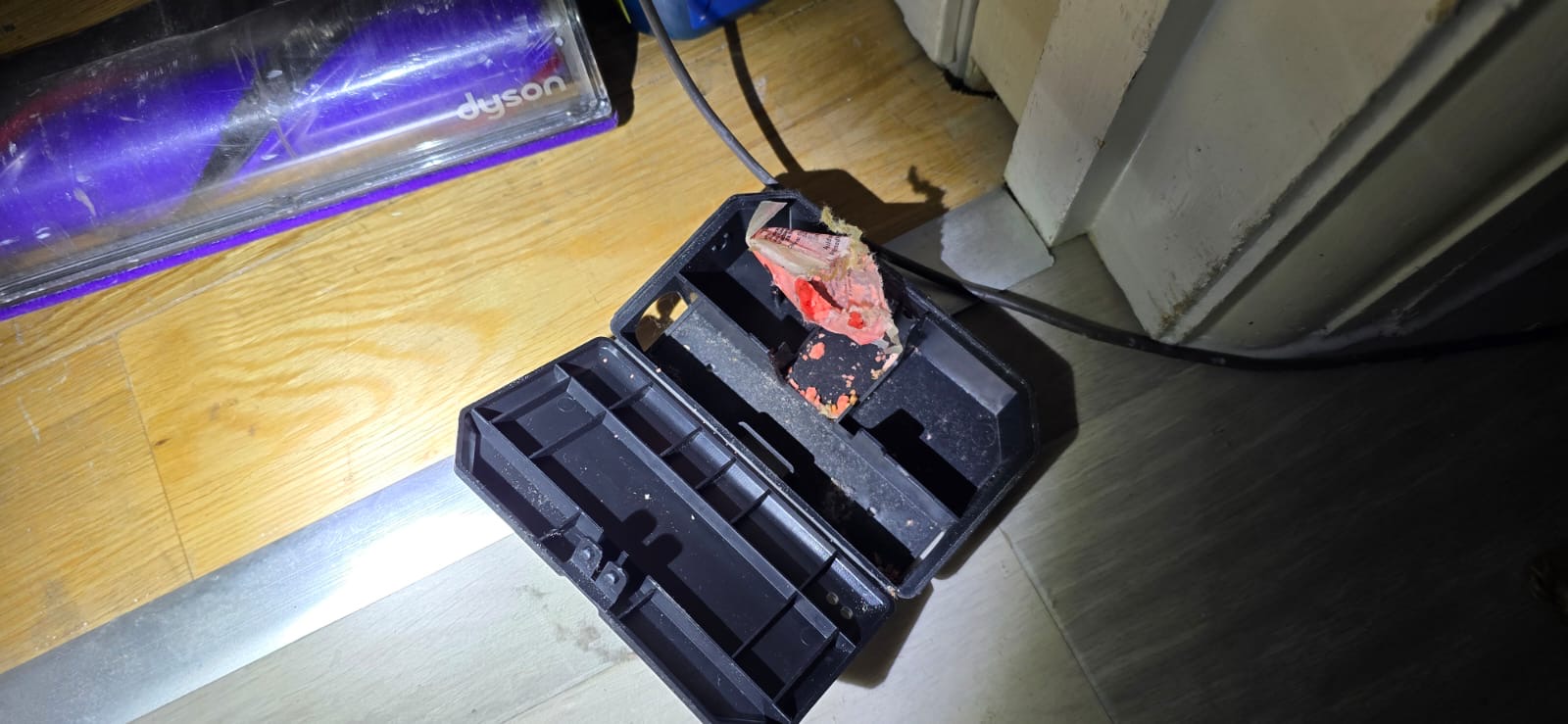
Inspection and identification of entry points, travel routes, and nesting areas
-
Targeted treatment based on the environment and risk level
-
Proofing advice to reduce re-entry (often the missing piece)
-
Practical prevention guidance for storage, hygiene, and external areas
-
Follow-up support where needed to confirm the issue is resolved
For businesses, we can also provide ongoing monitoring, reporting, and planned visits so you stay compliant and audit-ready.
When to book an inspection
It’s worth getting help if:
-
You’ve seen droppings or gnawing
-
Noises are continuing in the loft or walls
-
Activity is near food areas
-
You’ve tried basic measures and it’s not improving
-
You manage a commercial or rural site where prevention matters year-round
Need help with rats or mice?
If you’re in Surrey or West Sussex and you suspect rodent activity, get in touch with Ranger Pest Control. We’ll talk through what you’ve noticed and recommend the best next step, with a clear plan and minimal disruption.